





Why Players In Canada Talk About Cashouts So Much
Most payout complaints begin before the request itself. People focus on the last click, but the real story usually starts with account setup, payment history, and whether the player checked details before confirming. That is why cashout conversations stay active - the process looks simple, yet it depends on several earlier choices.
Imagine a player who wins late at night and wants the money out immediately. It feels like one button and one waiting period. In reality, the account may need a review, the chosen route may need to match earlier activity, and the player may have to confirm ownership details. What looks like one action is often a chain of smaller actions.
For users of legal age in Canada, it helps to approach the platform as an adult entertainment product with money movement, not as a shortcut. Players who think this way usually make fewer rushed choices and handle support questions with less stress.
How Community Posts Shape Expectations
Player discussions can help, but they often skip the boring details that explain everything. One person says the transfer was smooth, another says it took longer than expected, and a third says support asked for confirmation. What is missing is the sequence: when the request was sent, whether the account had already been checked, and whether the payment route made sense.
If you read community comments before your first request, do not copy the mood of the post. Copy the lesson. Usually the useful patterns are simple - mismatched details, payment changes made at the last minute, or documents sent only after a delay had already started.
Getting Your Account Ready Before Requesting Funds
The cleanest payout is usually prepared before the player even thinks about withdrawing. Start with the basics: name, address, contact details, and payment information. Then review whether everything still reflects your current situation in Canada.
Picture someone who created the account months ago, changed phone number, replaced a card, and never updated anything because deposits still worked. Then a cashout request is sent and suddenly old details matter again. The issue is not always the request itself - it is the gap between old information and current reality.
What To Check Before You Confirm
Look at every field as if support were seeing it for the first time. Is your name complete and consistent? Do your contact details match the information you actually use? Does the payment route clearly belong to you? The less ambiguity in the account, the easier the request is to process.
Usually players notice these things only after something stalls. It is better to notice them while nothing is wrong. A few calm minutes in the cashier and profile area can save a much longer back-and-forth later.
Why Last-Minute Changes Can Slow Things Down
Sudden edits are not always a problem, but they often create extra questions. A new card added on the same day, a different address format, or a fresh banking route with no visible connection to earlier activity can make the request look less straightforward than it first seemed.
Imagine two players with the same balance. One uses a familiar method connected to recent activity. The other switches routes right before requesting funds because it feels convenient. The second player may still be paid successfully, but the path can become less smooth because the account now needs more clarity.
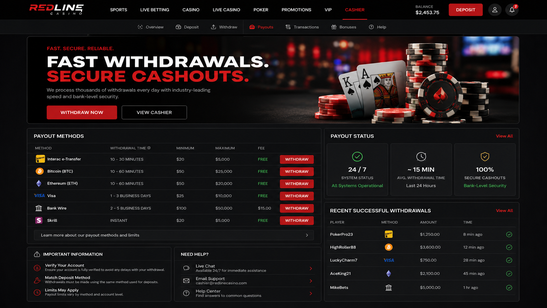
Bodog Withdrawal Credit Card In Canada And Payment Logic
Many players are drawn to card payouts because the method feels familiar. Cards are used every day, so it seems natural to expect the same comfort when money moves out. But a familiar tool is not automatically the simplest receiving route. What matters most is whether the chosen method fits the account cleanly and whether the receiving side handles incoming funds without confusion.
If you prefer a card-based route, think in terms of consistency rather than speed alone. A payment option can look convenient on the screen and still create extra questions later if the ownership trail is weak or the receiving setup is not ideal.
Payment route | Why players choose it | Best pre-check | Common delay trigger |
|---|---|---|---|
Card-based transfer | Familiar everyday tool | Active status and matching owner details | Receiving side is less suitable for incoming funds |
Bank transfer | Clear account trail | Correct banking data and verified ownership | Incomplete or mistyped account information |
Digital wallet | Easy to track in one place | Confirmed wallet identity and email match | Wallet profile differs from account details |
Alternative local method | Convenient when available | Eligibility, limits, and account readiness | Method chosen without checking fit first |
The table is not a promise about speed. It is a reminder that every route has a weak point. Usually the smartest choice is the one with the clearest ownership trail, the fewest moving parts, and the easiest follow-up if something needs confirmation.
When A Familiar Option Is Not The Easiest
A player may trust a card because it works well for shopping and daily spending. Receiving money is different. Sometimes another method provides cleaner tracking and fewer surprises. This is why players should not pick a route only because it feels familiar.
If you are unsure, compare control rather than comfort. Ask which method gives you the clearest view of the transfer, the easiest proof of ownership, and the least chance of confusion after submission.
How A Typical Payout Request Moves Forward
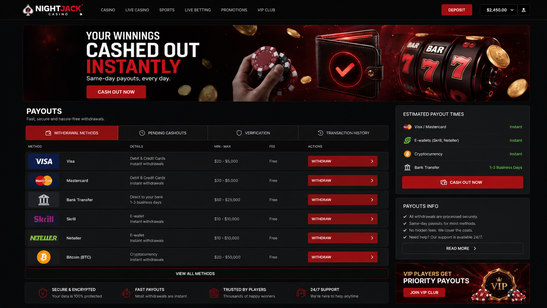
Most players imagine a payout as one action followed by waiting. In reality, the request often moves through several quiet stages. First the submission enters the system, then the account may be reviewed, then the chosen route is checked, and only after that does the transfer continue toward completion.
Imagine refreshing the account every few minutes after submitting the request. That habit turns every short pause into stress. A better routine is to send one clean request, save any confirmation, and watch calmly for follow-up messages rather than trying to force movement through repeated clicks.
Another good habit is avoiding multiple edits right after submission. If you change payment details, rewrite profile information, and send a support message at once, you create more moving parts around a request that may have been perfectly normal.
What A Pending Status Often Means
Pending often means the request is still inside a review stage, not that it has been ignored. Players sometimes treat that word as bad news because it sounds vague. In practice, it often just means the account or method has not reached the final approval point yet.
Usually the right move is simple: check whether any action is required from you, then wait through the normal review window before escalating. Cancelling and resubmitting too quickly can create confusion and make an ordinary pause feel more dramatic than it really is.
Small Mismatches That Create Big Friction
The most annoying delays are often caused by details that look harmless. A shortened name, an outdated billing line, or a contact field that no longer reflects your current setup can all create enough uncertainty to slow the request. None of these issues are dramatic, yet each can produce extra questions.
Picture support comparing two records that are almost identical but not fully aligned. That tiny difference becomes work. Players reduce this risk by checking ownership details in advance and keeping simple proof ready in case confirmation is requested.
Timing, Limits, And Smarter Withdrawal Habits
The first question most players ask is how long it will take. The honest answer is that timing depends on the method, the account condition, routine checks, and when the request is made. That is why it is better to build a repeatable habit than to rely on one perfect estimate.
A practical routine starts before the request. Decide which method you trust, think about the amount you want to move, and keep your account information organized. Imagine finishing a session with a plan already in place instead of making every decision while the adrenaline is still high.
Players in Canada also benefit from separating entertainment funds from everyday spending. This is not just budgeting. It makes the payout decision feel deliberate. You are moving money according to a plan, not reacting emotionally after a win or a rough session.
Why A Smaller First Request Can Help
For a first cashout, some players prefer sending a manageable amount instead of the full balance. This does not guarantee a faster result, but it can make the process easier to understand. You see how the request appears, how the chosen route behaves, and whether any follow-up is needed.
If you are new to the platform, one clean cycle teaches more than ten guesses. After that first experience, future requests usually feel less abstract and easier to manage.
Mobile Use, Support Contact, And Better Communication
Mobile access is convenient, but convenience can lead to rushed actions. On a phone, players move faster, rely more on autofill, and sometimes miss a small mismatch because the screen is compact. The process can still work smoothly, but the final review step becomes even more important.
Imagine sending a request while commuting or during a quick break. It can be done, but that setting is not ideal for careful review. Usually the safer habit is to slow down, read every visible field twice, and make sure you can still access your email or messages if follow-up is needed.
Support tends to be most effective when the message is narrow and factual. Instead of writing a long emotional explanation, describe the status, the time of submission, the selected route, and whether any document prompt appeared. Clear questions usually get clearer answers.
Using Mobile Without Creating Extra Errors
Autofill is useful until it inserts an old address line or outdated contact detail. That is the hidden risk of mobile use. The request may look complete while one small field is no longer accurate.
Many careful players solve this with a simple rule: use the phone for monitoring, but slow down for the final confirmation. Some even switch to a larger screen for the last step when the amount matters enough that they want full visibility.
When It Makes Sense To Contact Support
Not every delay needs a message. Sometimes the best decision is to wait through the expected review period. But if the status has not changed for longer than expected, the account requests something unclear, or the chosen route suddenly becomes unavailable, support is the sensible next step.
Prepare before you write. Keep the amount, time of request, chosen payment route, and any useful screenshots ready. A short, organized message usually moves the conversation forward better than frustration does.
Staying In Control Of Your Money
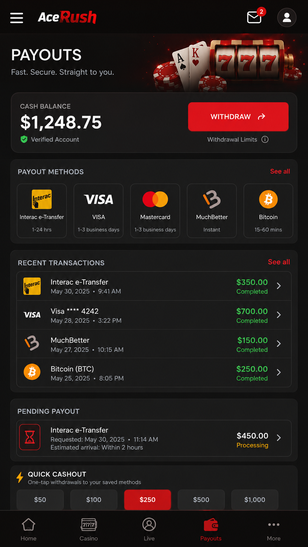
A strong payout routine is not only about speed. It is about control, timing, and good judgment. Keep your details current, use payment tools that clearly belong to you, track each request, and decide in advance how often you want to move funds. These habits reduce stress because they replace improvisation with a repeatable system.
There is also a personal control side to the process. If sessions start feeling impulsive, use the account tools designed to slow things down. Limits, reminders, cooling-off periods, and longer timeouts can all help restore distance when play starts to feel reactive instead of planned.
Imagine noticing that you are making money decisions out of frustration rather than clarity. That is the moment to step back. In 2026, the players who manage cashouts most smoothly are often not the fastest players. They are the ones who stay organized, use account controls when needed, and keep entertainment decisions separate from everyday financial pressure.